Exploring the Future of Humanoid Robots in Homes
- Ralph Liu

- 5 hours ago
- 5 min read
As technology continues to advance at an unprecedented pace, the idea of humanoid robots becoming a part of our daily lives is no longer confined to the realm of science fiction. Imagine a future where robots assist with household chores, provide companionship, and even help care for the elderly. This vision is becoming increasingly plausible as researchers and engineers make significant strides in robotics, artificial intelligence, and machine learning. In this blog post, we will explore the potential roles of humanoid robots in our homes, the challenges they face, and the implications of their integration into our daily lives.
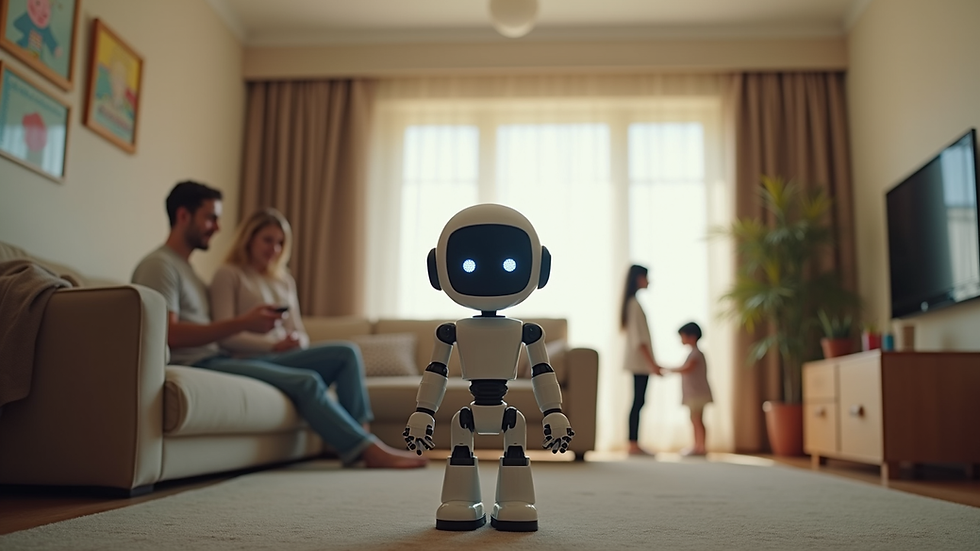
The Rise of Humanoid Robots
Humanoid robots are designed to resemble humans in appearance and behavior. They can perform tasks that require a degree of dexterity and intelligence, making them suitable for various applications in the home. The rise of these robots can be attributed to several factors:
Advancements in AI: Artificial intelligence has made it possible for robots to learn from their environment and adapt to new situations. This capability allows humanoid robots to perform complex tasks and interact with humans more naturally.
Improved Robotics Technology: Innovations in robotics have led to the development of more sophisticated sensors, actuators, and materials. These advancements enable robots to move more fluidly and respond to their surroundings effectively.
Aging Population: As the global population ages, there is an increasing demand for assistance in homes. Humanoid robots can provide support for elderly individuals, helping them maintain their independence while ensuring their safety.
Potential Roles of Humanoid Robots in Homes
Humanoid robots have the potential to take on various roles within the household. Here are some examples:
1. Household Chores
One of the most practical applications of humanoid robots is in performing household chores. Tasks such as cleaning, cooking, and laundry can be time-consuming and physically demanding. Robots equipped with advanced sensors and AI can take over these responsibilities, allowing homeowners to focus on more enjoyable activities.
For instance, a humanoid robot could be programmed to vacuum the floors, wash dishes, or even prepare simple meals. This not only saves time but also reduces the physical strain on individuals, particularly the elderly or those with mobility issues.
2. Companionship
Loneliness is a growing concern, especially among the elderly. Humanoid robots can serve as companions, providing social interaction and emotional support. These robots can engage in conversations, play games, and even recognize and respond to human emotions.
For example, a humanoid robot could be programmed to read stories to children or engage in discussions with seniors, helping to alleviate feelings of isolation. This companionship can significantly enhance the quality of life for individuals who may otherwise feel alone.
3. Caregiving
Humanoid robots can play a crucial role in caregiving, particularly for the elderly or individuals with disabilities. They can assist with daily activities such as bathing, dressing, and medication management. By providing this support, robots can help individuals maintain their independence while ensuring they receive the care they need.
For instance, a humanoid robot could remind an elderly person to take their medication at the appropriate times or assist them in getting up from a chair. This type of support can be invaluable for families who may not always be available to provide care.
4. Education and Learning
Humanoid robots can also contribute to education, particularly for children. They can serve as interactive learning tools, helping kids with their studies in a fun and engaging way. Robots can adapt their teaching methods based on the child's learning style, making education more personalized.
For example, a humanoid robot could help children learn math by providing interactive quizzes or assist with language learning through conversation practice. This innovative approach to education can enhance learning outcomes and make studying more enjoyable.
Challenges Facing Humanoid Robots
Despite the exciting potential of humanoid robots, several challenges must be addressed before they can become commonplace in our homes.
1. Technical Limitations
While advancements in robotics have come a long way, there are still technical limitations that need to be overcome. Humanoid robots often struggle with tasks that require fine motor skills or complex decision-making. Improving their dexterity and cognitive abilities is crucial for their successful integration into households.
2. Cost
Currently, humanoid robots can be expensive to produce and maintain. This high cost can limit their accessibility to the average consumer. As technology advances and production methods improve, it is hoped that the price of these robots will decrease, making them more affordable for families.
3. Ethical Considerations
The integration of humanoid robots into homes raises ethical questions about privacy, security, and the potential for job displacement. As robots become more capable, there is a concern that they may replace human workers in certain roles. Additionally, the data collected by these robots could pose privacy risks if not managed properly.
4. Acceptance and Trust
For humanoid robots to be successful in homes, they must be accepted and trusted by their human counterparts. Building this trust requires transparency in how robots operate and the ability to demonstrate reliability and safety. Educating the public about the benefits and limitations of humanoid robots will be essential in fostering acceptance.
The Future of Humanoid Robots in Homes
Looking ahead, the future of humanoid robots in homes appears promising. As technology continues to evolve, we can expect to see more sophisticated robots that can seamlessly integrate into our daily lives. Here are some trends to watch for:
1. Increased Personalization
Future humanoid robots will likely be equipped with advanced AI that allows them to learn and adapt to individual preferences. This personalization will enable robots to provide tailored assistance, making them more effective companions and helpers.
2. Enhanced Interaction
As natural language processing and emotional recognition technologies improve, humanoid robots will be able to engage in more meaningful conversations and respond to human emotions more effectively. This enhanced interaction will make robots feel more like companions rather than mere machines.
3. Collaboration with Humans
Rather than replacing human workers, humanoid robots will likely work alongside them, enhancing productivity and efficiency. This collaboration can lead to new opportunities for innovation and creativity in various fields.
4. Integration with Smart Home Technology
Humanoid robots will increasingly be integrated with smart home systems, allowing them to control various devices and appliances. This integration will create a more cohesive and automated living environment, making daily tasks even easier.
Conclusion
The future of humanoid robots in homes is filled with potential. As technology continues to advance, these robots could become invaluable companions, caregivers, and helpers in our daily lives. While challenges remain, the benefits of integrating humanoid robots into our homes are significant. By embracing this technology, we can enhance our quality of life, improve efficiency, and foster companionship in an increasingly busy world.
As we move forward, it is essential to address the ethical considerations and technical limitations associated with humanoid robots. By doing so, we can ensure that these innovations are used responsibly and effectively, paving the way for a future where humanoid robots are a common and accepted part of our homes.


Comments